Perched high above the desert rests a fortress of burnished gold—a citadel whose centuries-old alleys and
sun-warmed courtyards have housed generations of royalty, shopkeepers, artisans, and residents. Here, kitchens
are lit at dawn, laundry lines flit across sun-bathed stone terraces, and rituals echo in its temples. It is no wonder
then that in 1968, when Satyajit Ray arrived to shoot Goopy Gyne Bagha Byne, he was charmed by the fort’s
hospitality, its evocative architecture, and especially by how the yellow limestone walls glowed like molten gold
in sunlight....
Perched high above the desert rests a fortress of burnished gold—a citadel whose centuries-old alleys and
sun-warmed courtyards have housed generations of royalty, shopkeepers, artisans, and residents. Here, kitchens
are lit at dawn, laundry lines flit across sun-bathed stone terraces, and rituals echo in its temples. It is no wonder
then that in 1968, when Satyajit Ray arrived to shoot Goopy Gyne Bagha Byne, he was charmed by the fort’s
hospitality, its evocative architecture, and especially by how the yellow limestone walls glowed like molten gold
in sunlight. Constrained by the monochrome film stock, however, he felt he had only hinted at its enchantment;
and so, in 1973 he returned with colour, directing Sonar Kella, a celluloid adventure of his famous sleuth Feluda
and a five-year-old child who claimed to have lived and died in a great siege here. For Ray, the fort became an
actor itself: its stones, stories, and ongoing life forming the very spine of his imagination. This was memory
made tangible, a labyrinth where history—of honour, of religion, of sacrifice—and imagination intertwined. He
called this the ‘Golden Fort’; today, we know it better by its more common name: Jaisalmer.
Architecture has rarely remained about permanence; it has long been a conversation between the monumental
and the makeshift, between the weight of history and the ephemeral ritual. Whether an ancient temple or a
medieval garden; whether a bamboo ‘pandal’ or a modernist skyscraper, our built environment has always been
porous, layered, and deeply entangled with the rhythms of history, culture, and community. This exhibition
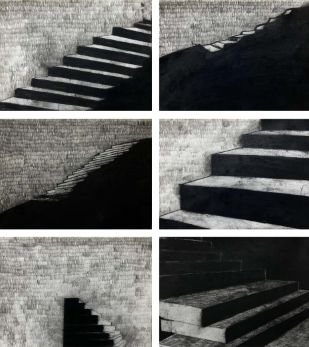
draws on that inheritance, presenting works of art that engage with architecture not as a static edifice, a
backdrop of living space, but as a shifting terrain of memory, politics, and imagination.
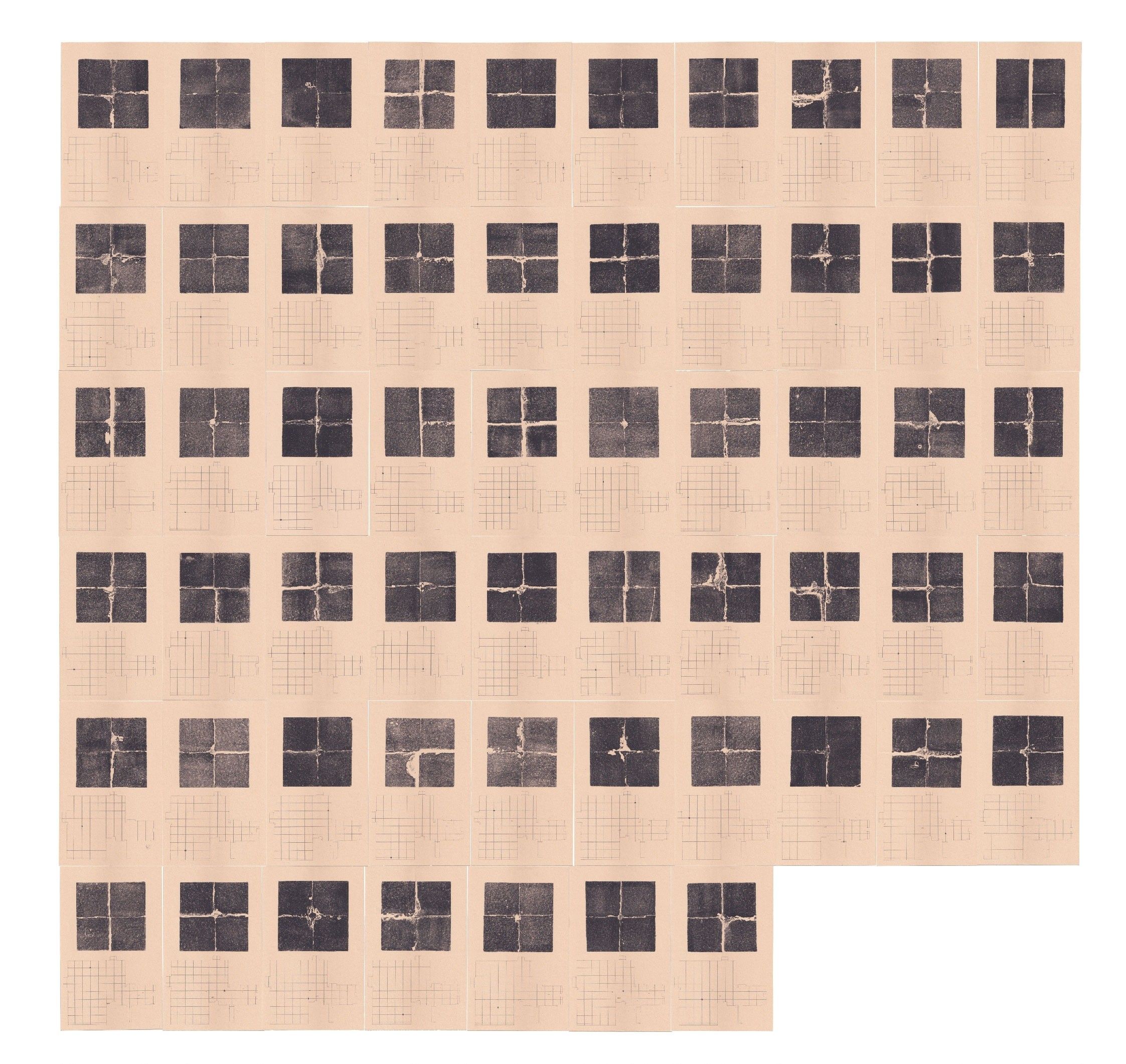
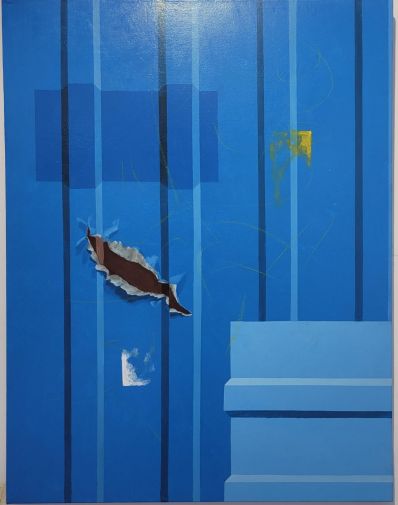
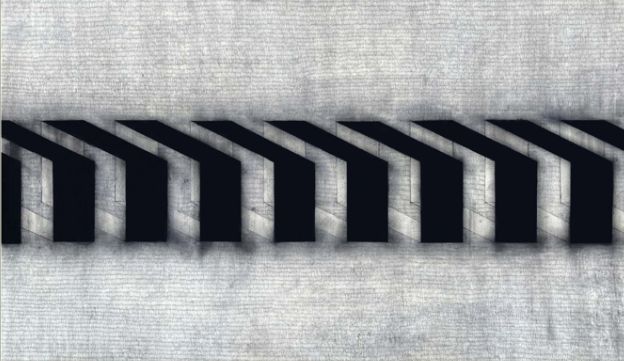
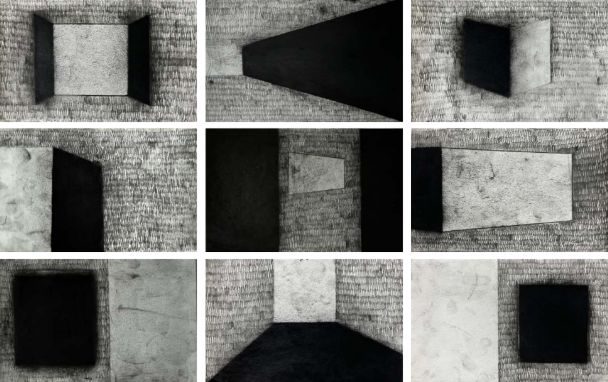
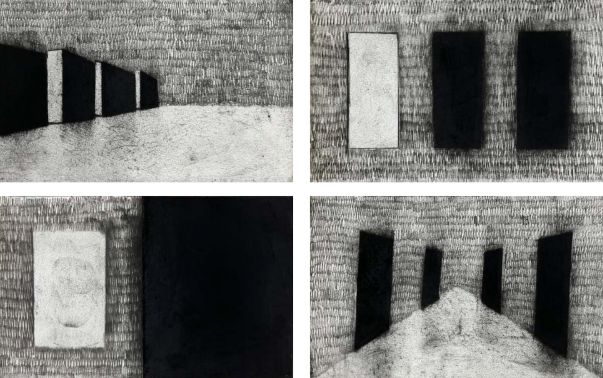
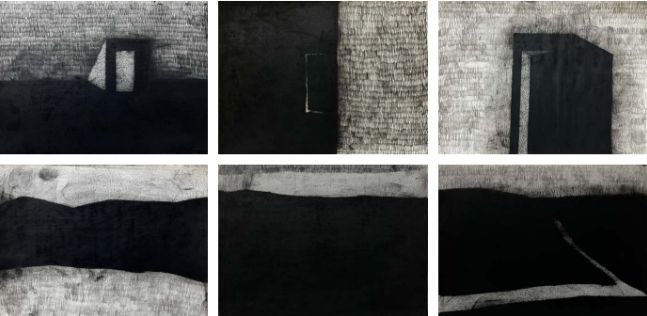
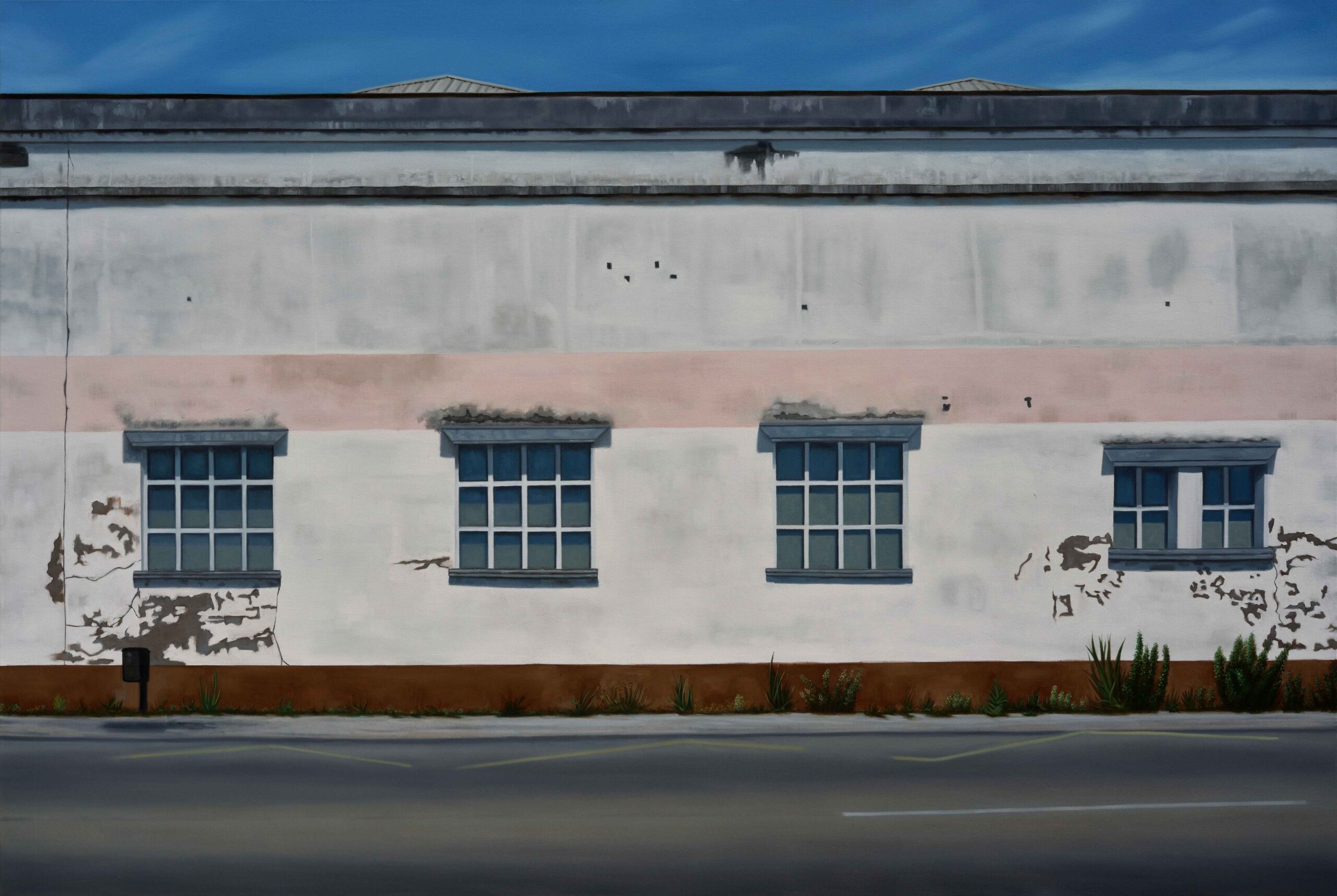
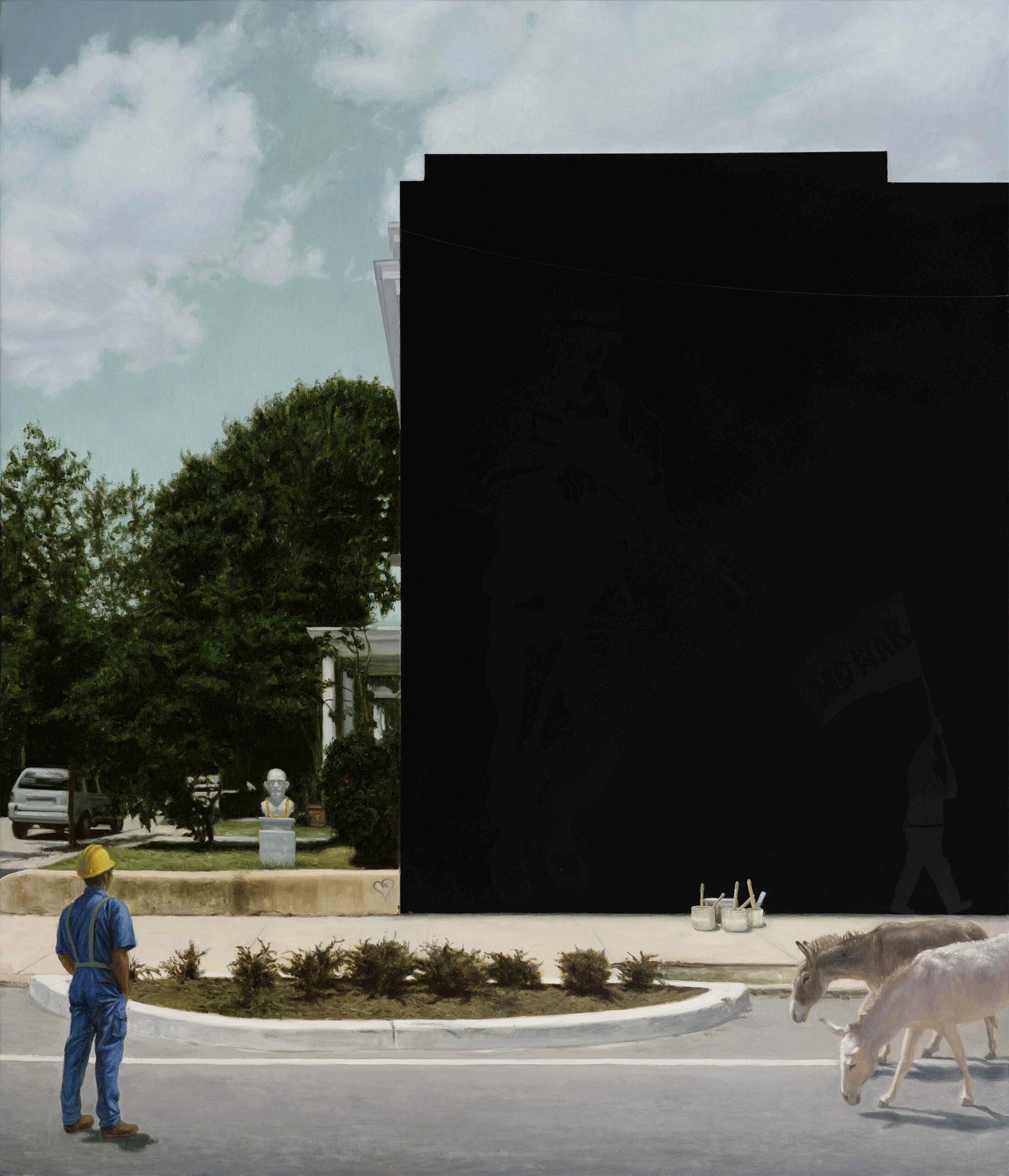
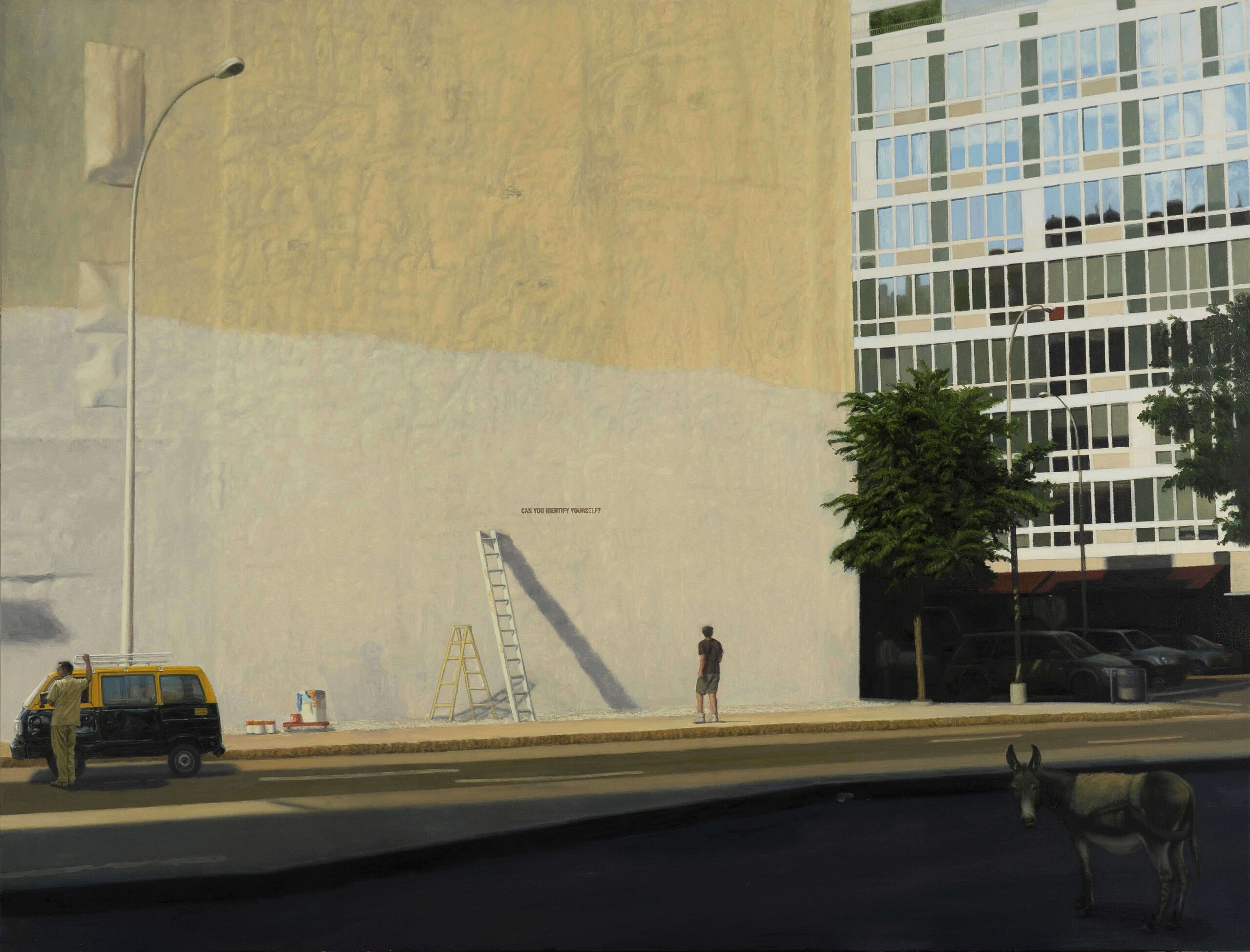
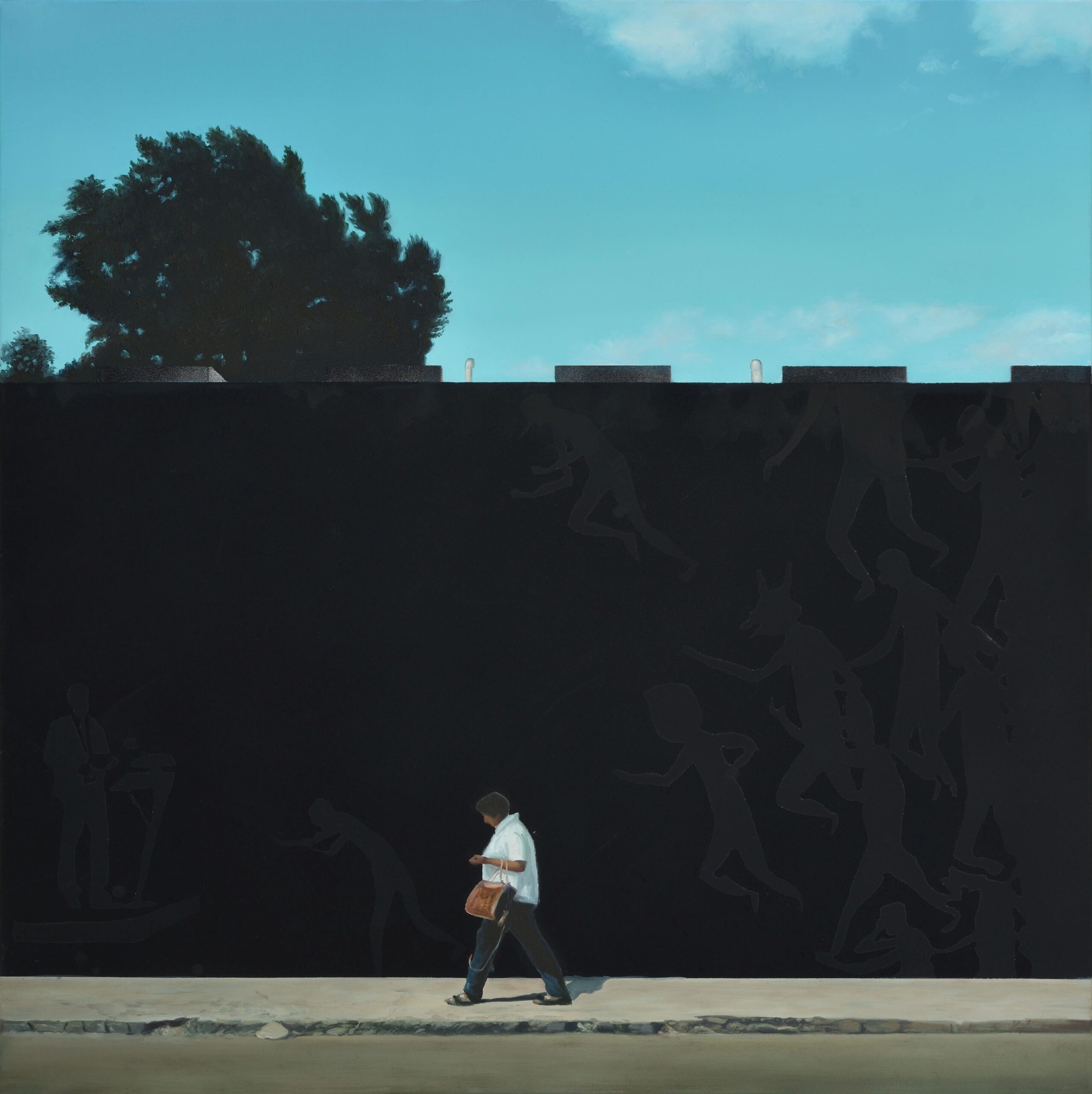
Here, buildings become protagonists: where artists like Subhakar Tadi and Mallikarjun Katke utilise the use of
black as a field that both envelops and unsettles. Rendered onto boulevards and facades, the colour becomes a
metaphor for political opacity and social corrosion, where the city—and the human—itself appears “blackened”
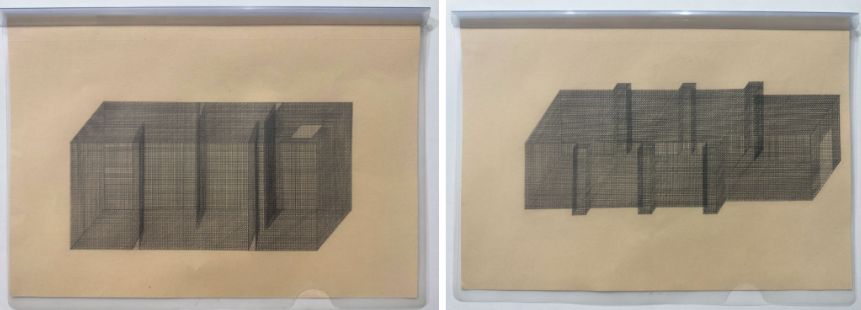
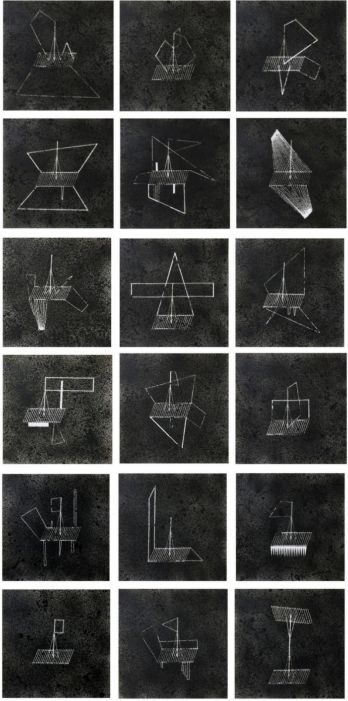
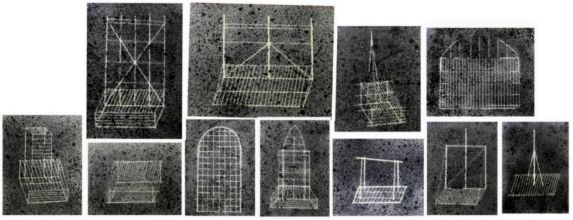
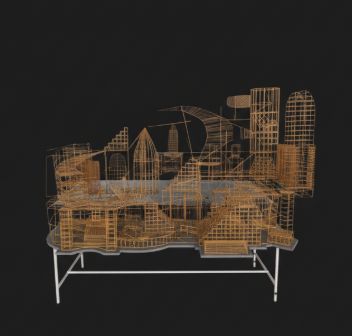
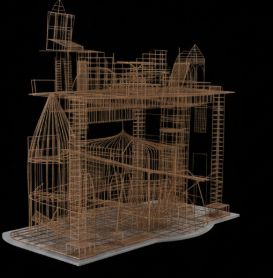
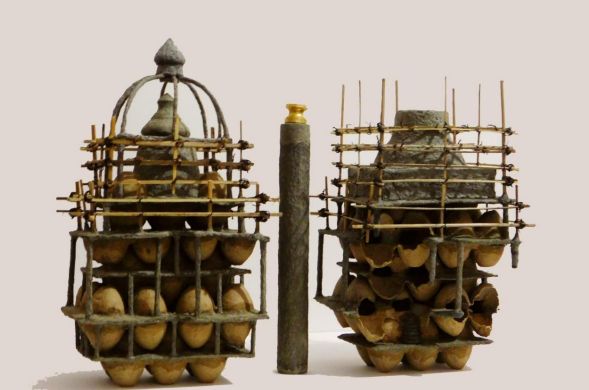
by systems of power. In contrast, Debojit Roy’s skeletal bamboo frameworks recall the provisional architectures
of community festivals, those temporary structures (‘pandals’) that anchor collective life even as they vanish with
time. Such gestures remind us that what appears fragile may, in fact, hold the deepest endurance. Elsewhere,
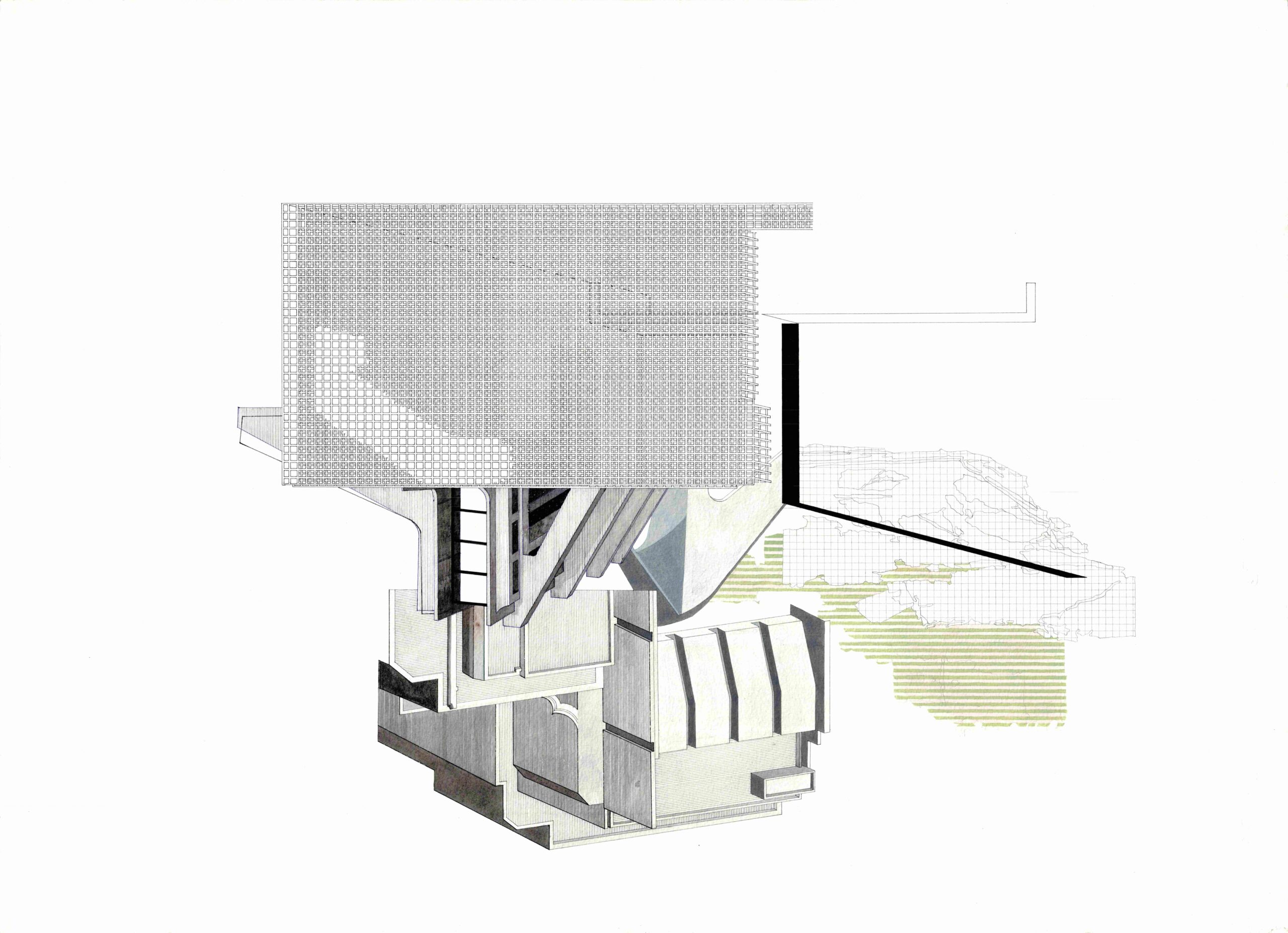
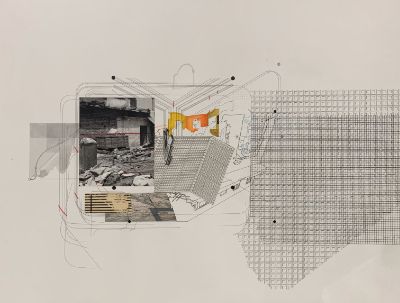
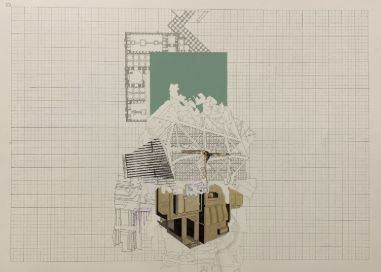
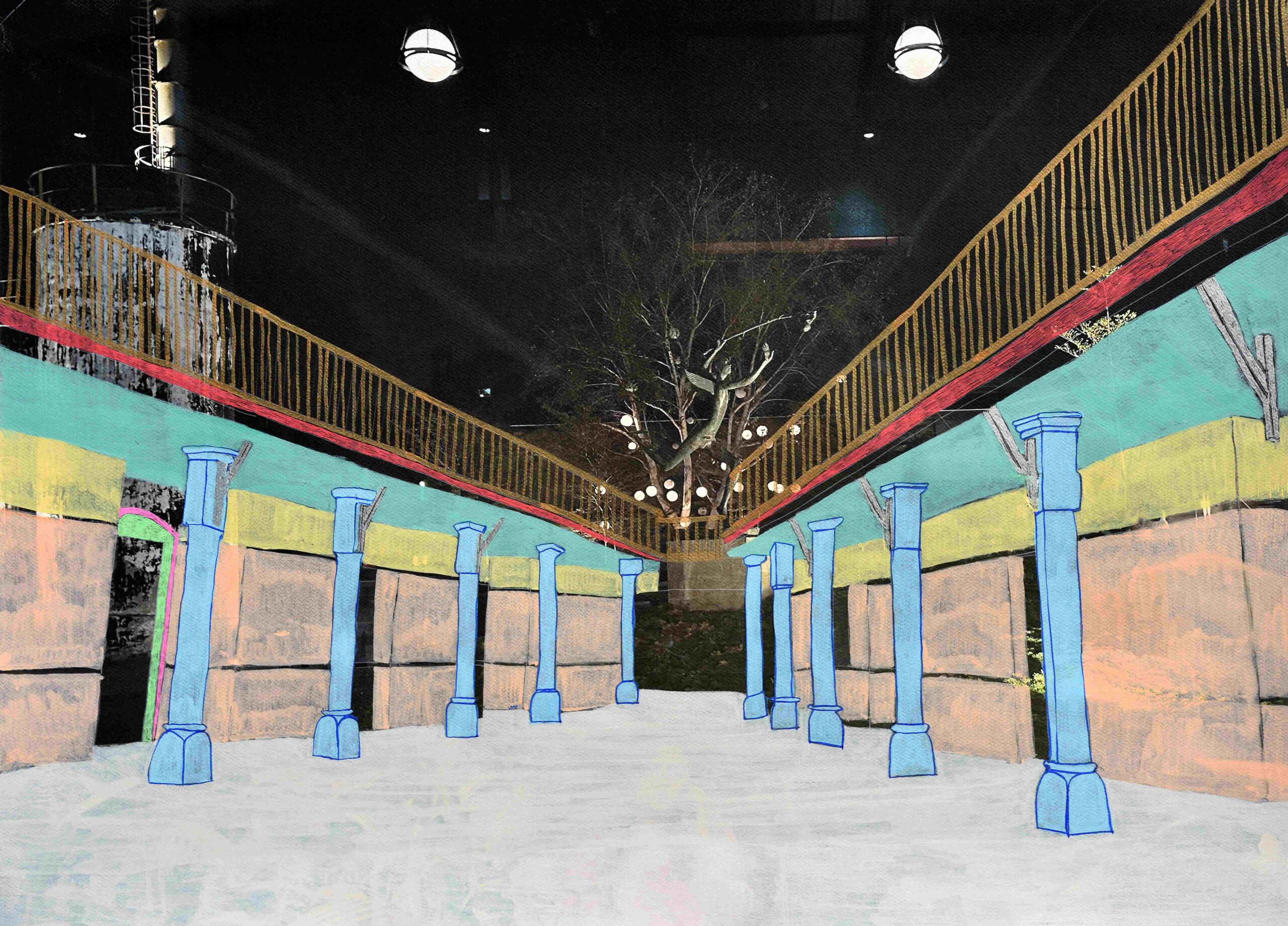
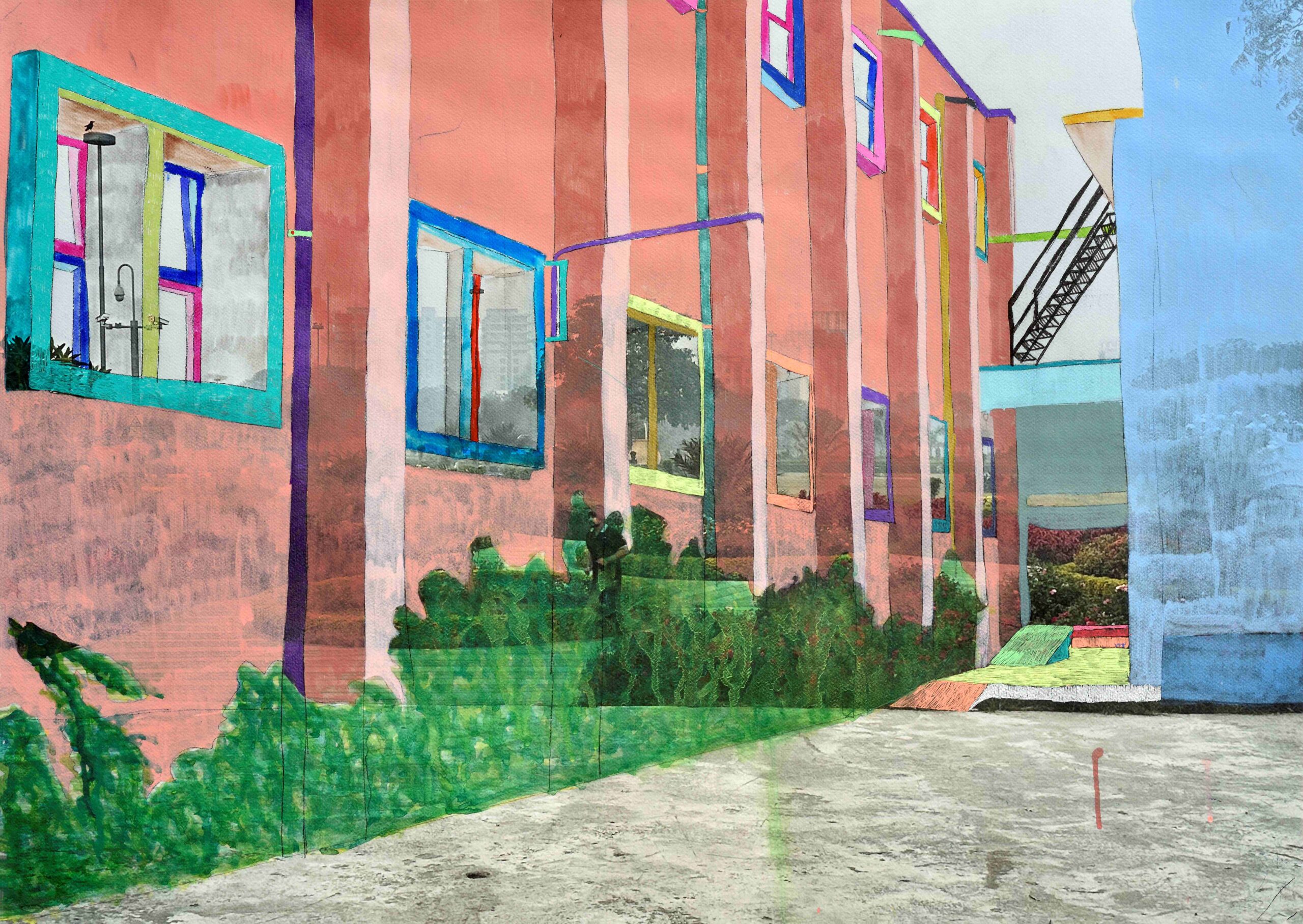
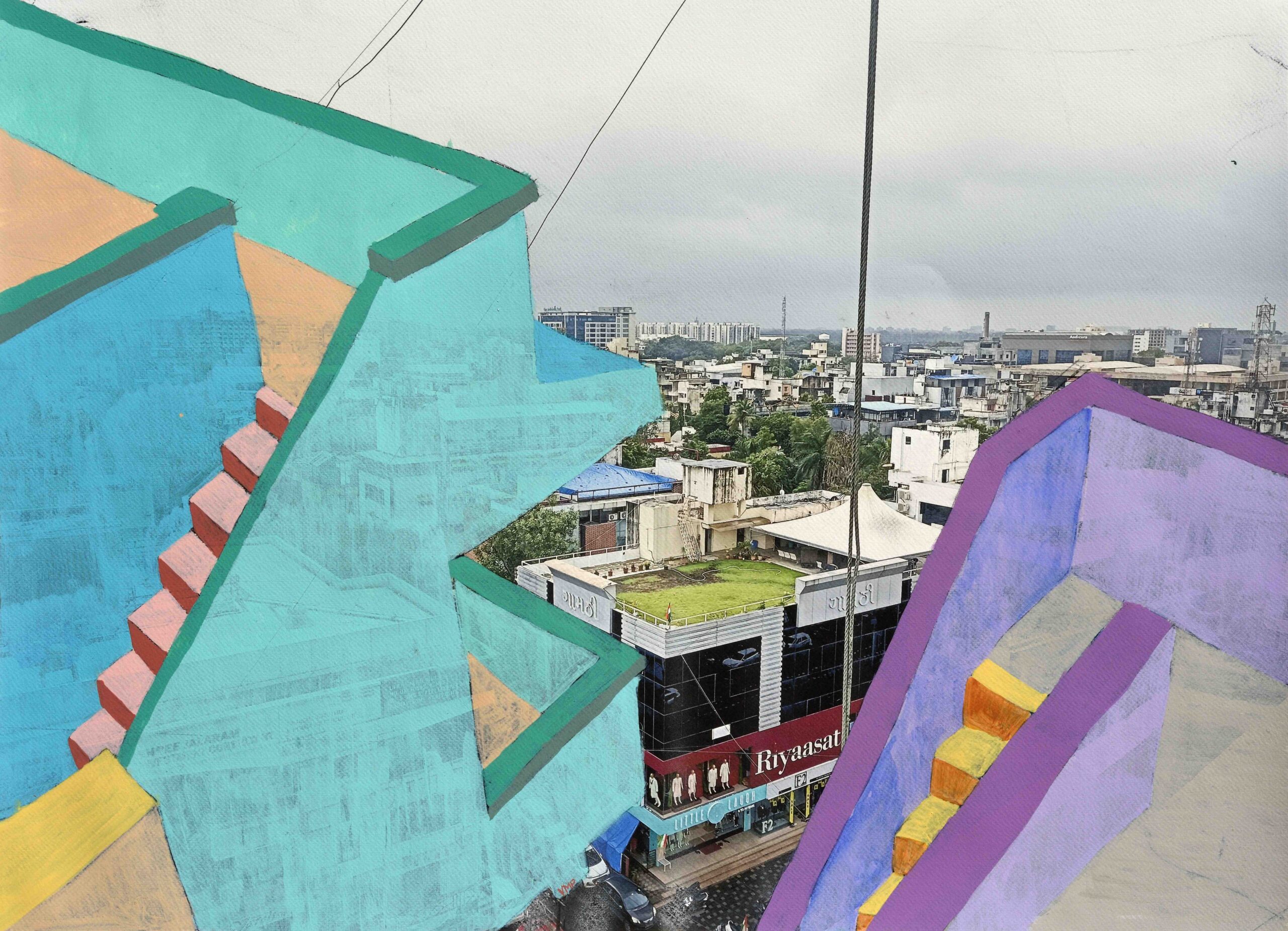
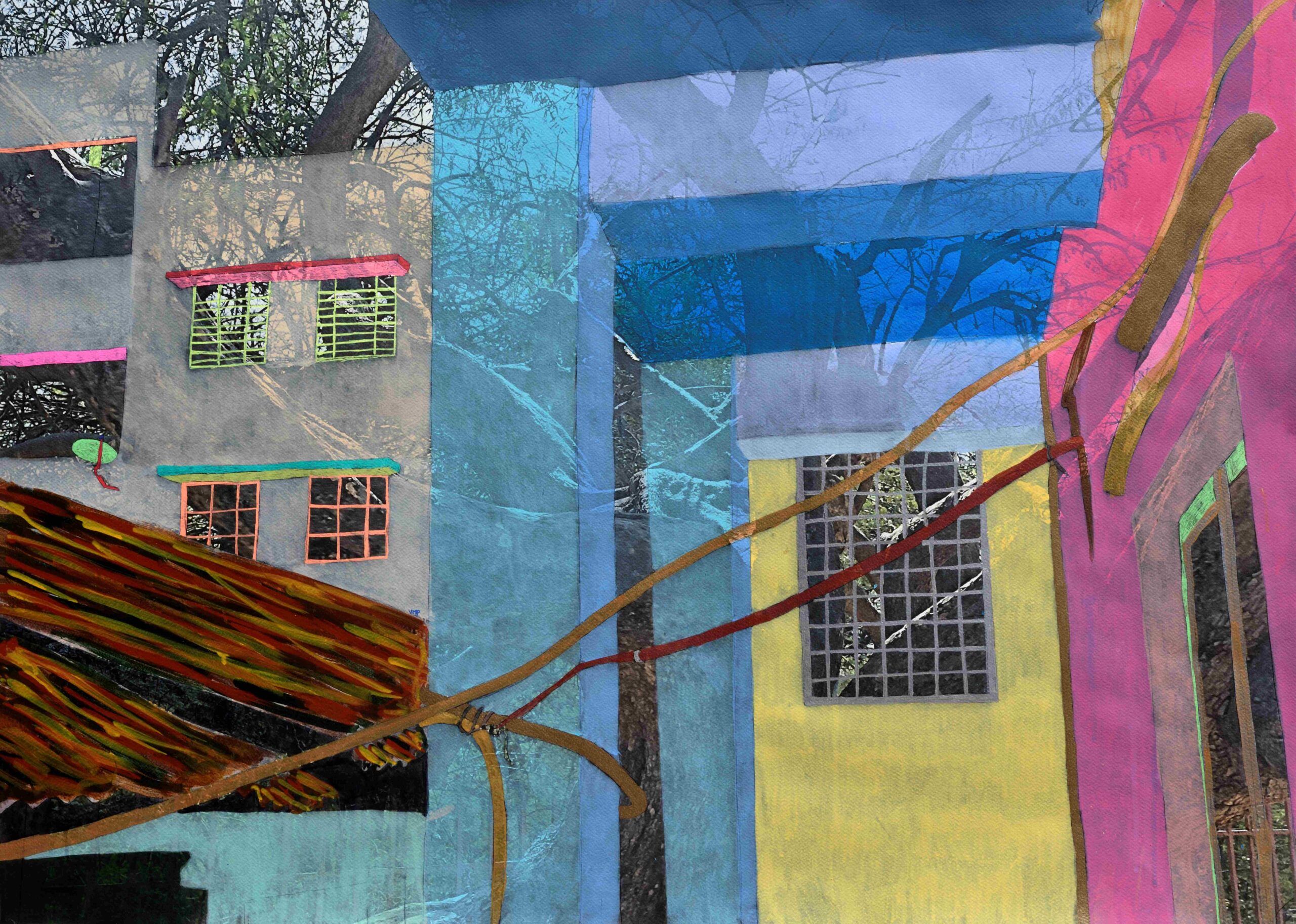
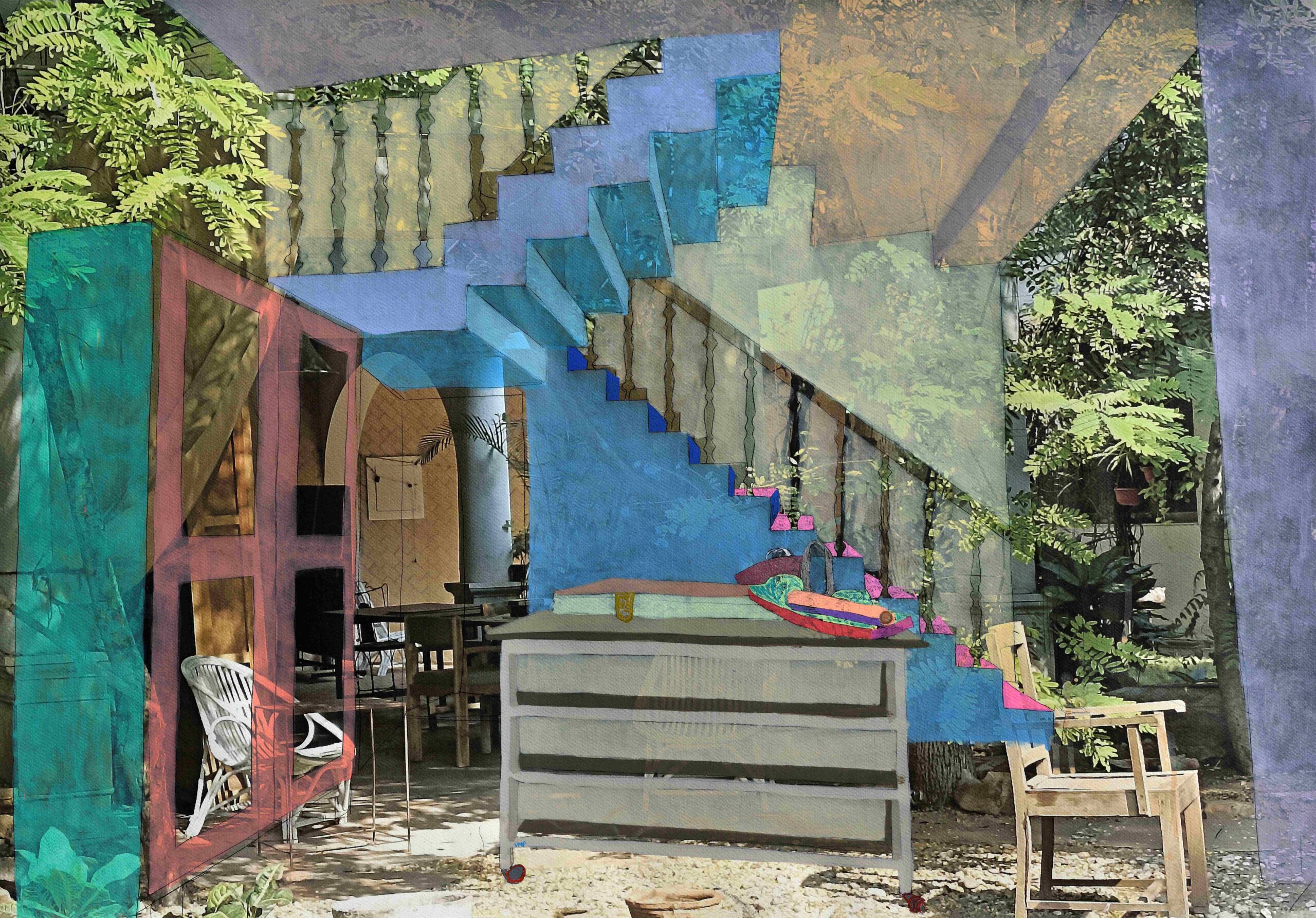
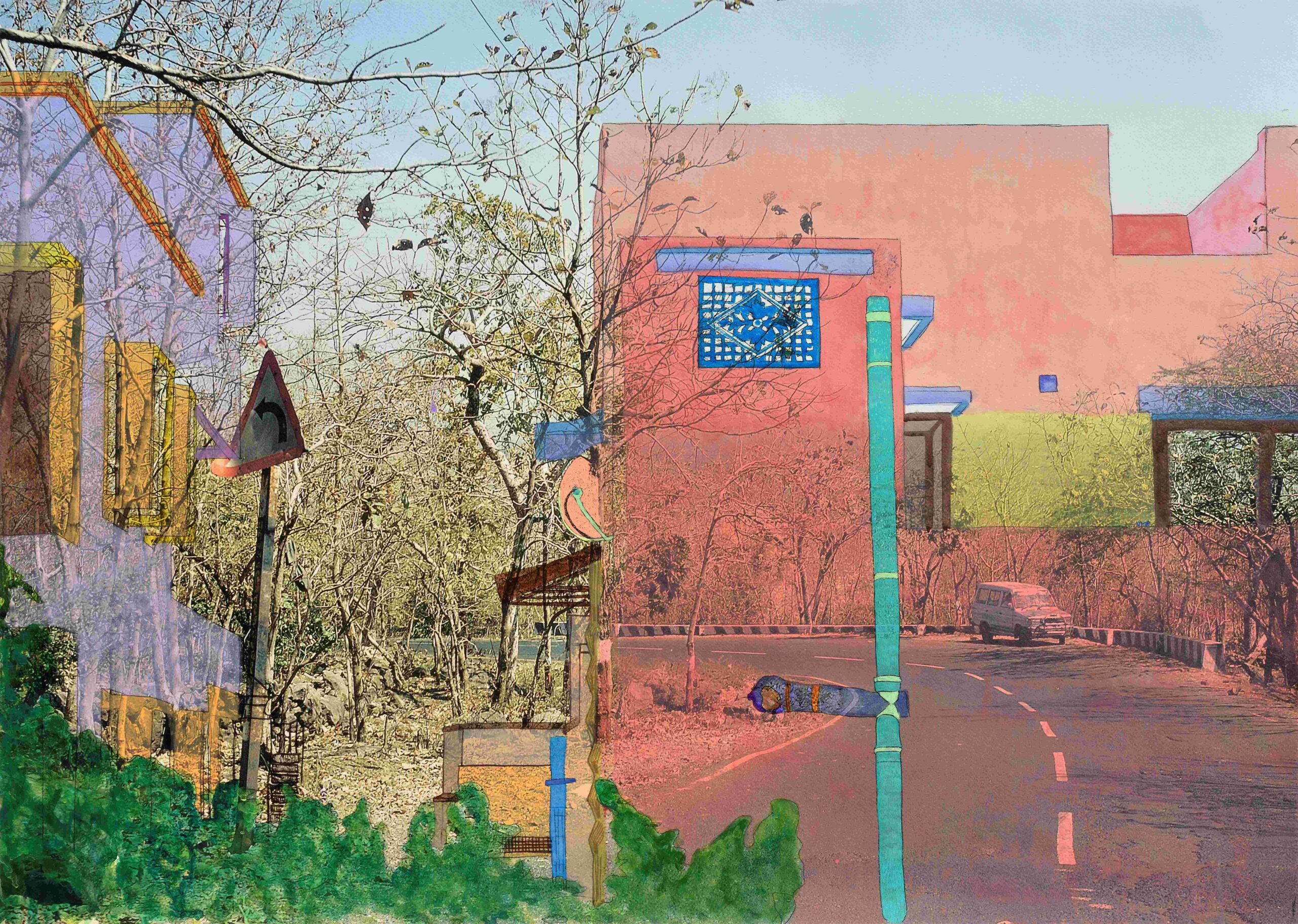
Shashikanta Mohanty’s collages of ruins and reassembled fragments, and Vatsya Padia’s juxtaposition of forms,
suggest the inevitability of deconstruction and the absorption of tradition, memory, and nostalgia onto brutalist
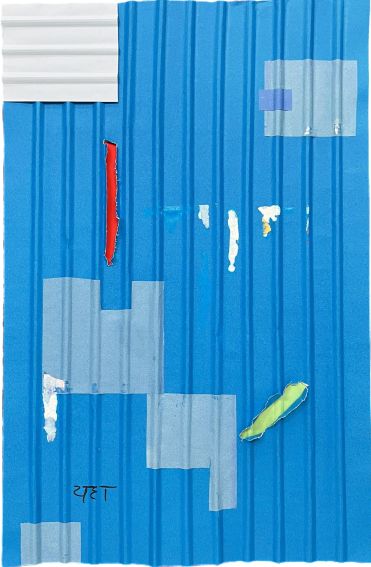
concrete. This is well complimented by Shakeel Ahmad and Deepak’s repurposing of everyday ephemera; by
using wood, metallurgical components, and the ubiquitous blue construction sheet, assemblages are created that
emerge as both a surface and the subject, transformed from their utilitarian role into a site of reflection.
Together, these works resist any singular reading of our concrete landscape. Instead, they foreground the
tensions that define architectures around us—between monument and scaffold, permanence and transience,
concealment and exposure. They invite us to see our cities and dwellings not as neutral containers, but as fields
charged with memory, vulnerability, and resilience. In doing so, they reframe architecture as a living archive: one
that records the fractures of society, the persistence of community, and the imagination of futures yet to come.
Curatorial Advisors: INTERSPACE
Text: Shankar Tripathi